01 / 05
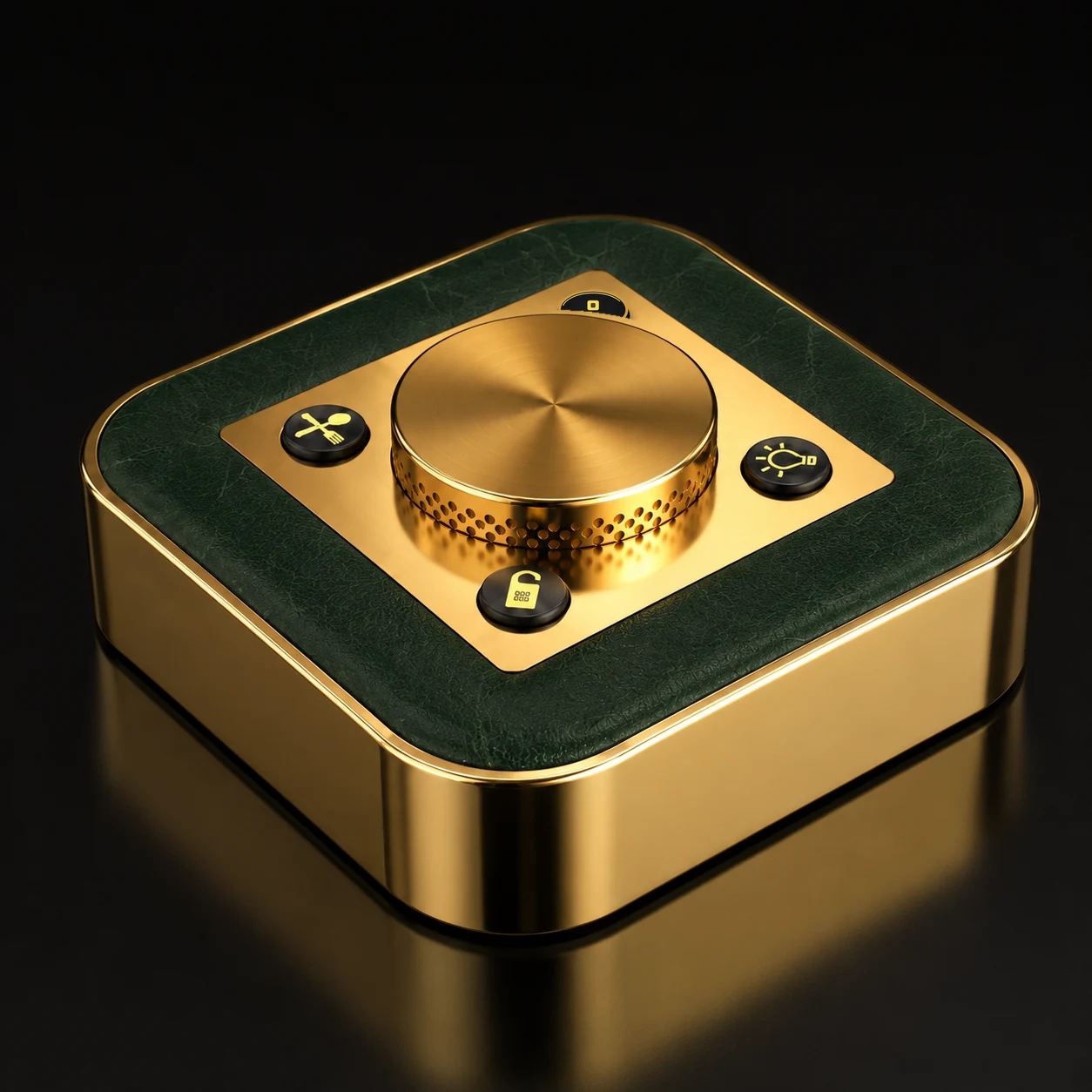
24k gold
A warmer kind of brilliance.
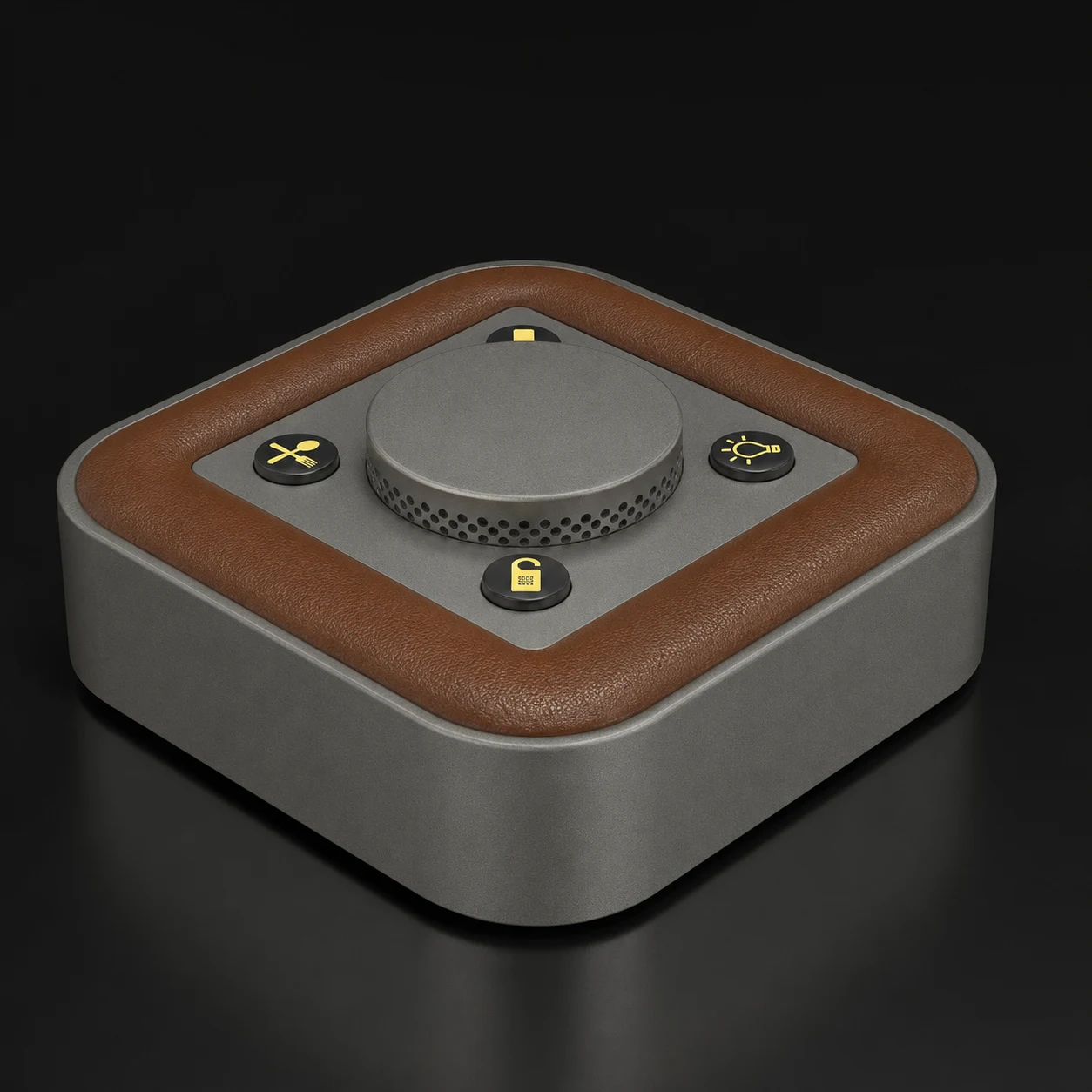
Solid phosphor bronze, finished with 3-micron 24k gold plating. A polished golden surface paired with the Nappa leather colour you choose.
Bespoke · OBEDIO
Make the Signature your own through metal, finish, leather and button details. Or develop an entirely individual outer form around the same OBEDIO technology. Two ways to create a piece for your interior.
Bespoke Signature · The established form
Keep the distinctive 72 mm form. Choose the metal, surface finish, Nappa leather, auxiliary button details and engraving. The Signature is made personal without changing its silhouette.
01 / 05
24k gold
Solid phosphor bronze, finished with 3-micron 24k gold plating. A polished golden surface paired with the Nappa leather colour you choose.
02 / 05
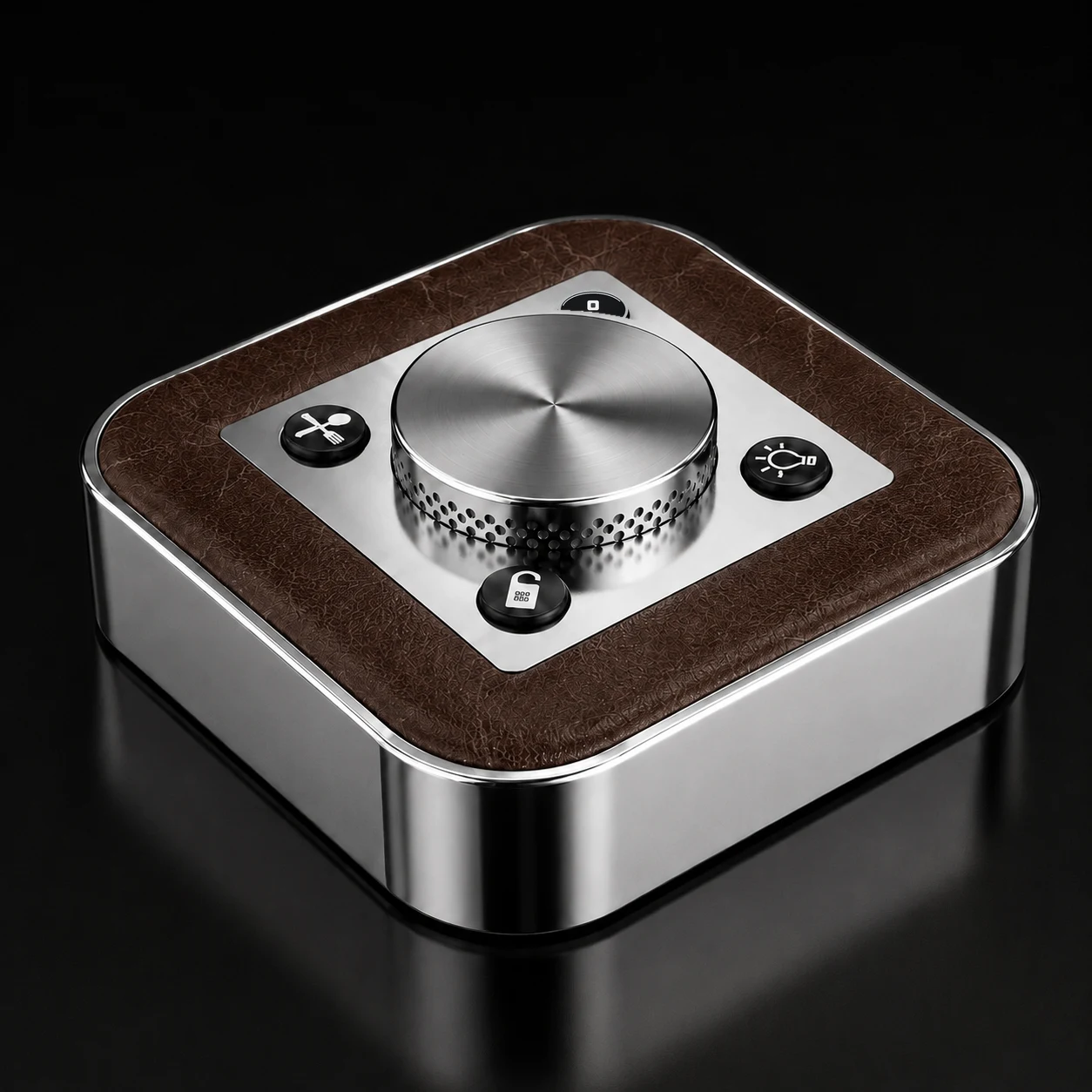
Stainless steel
The visible exterior is CNC-machined from solid stainless steel. A silver-toned foundation that can feel understated or reflective, depending on the chosen finish.
03 / 05
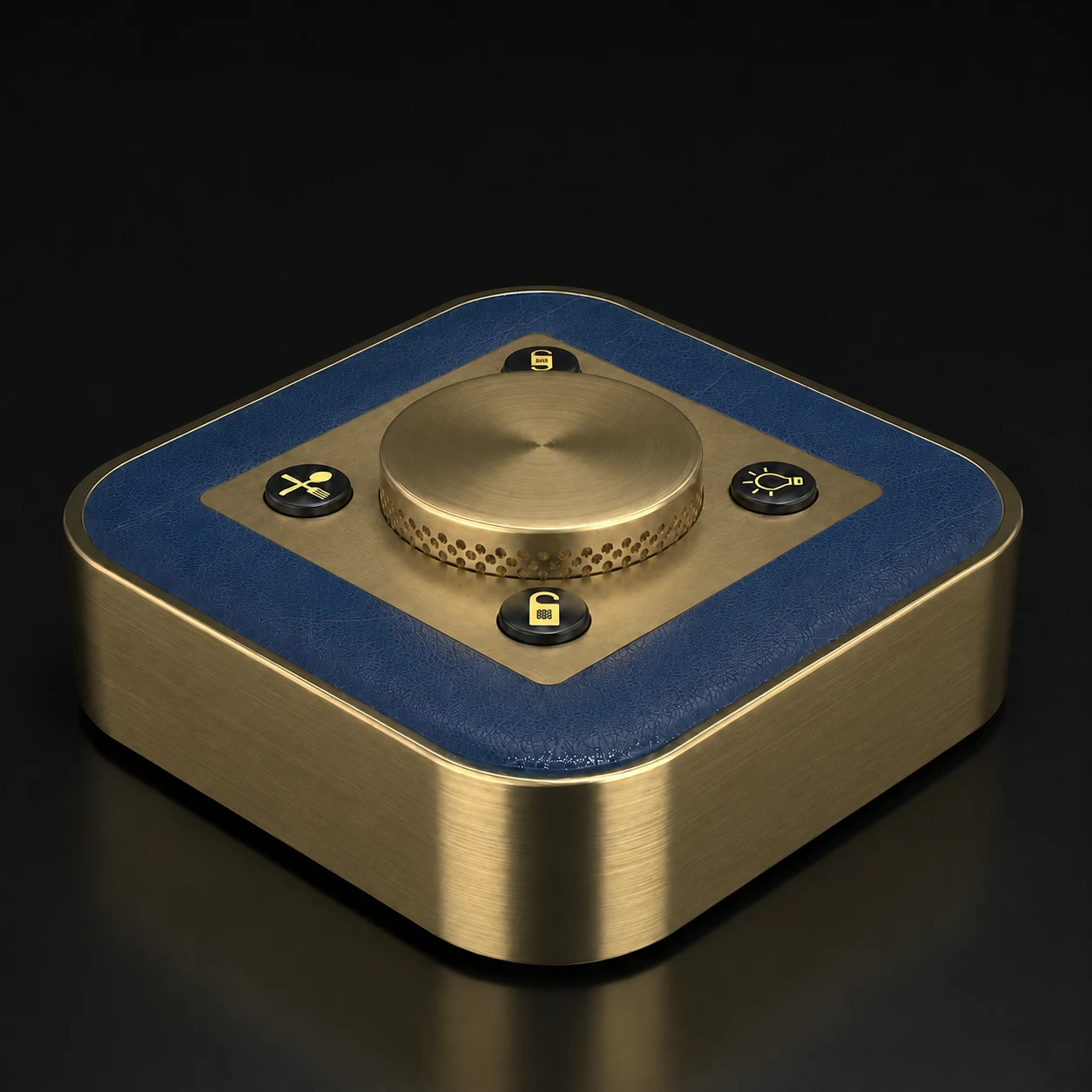
Solid brass
CNC-machined solid brass brings a warm golden tone. Pair it with a deep navy, a soft neutral or a contrasting leather to follow the interior palette.
04 / 05
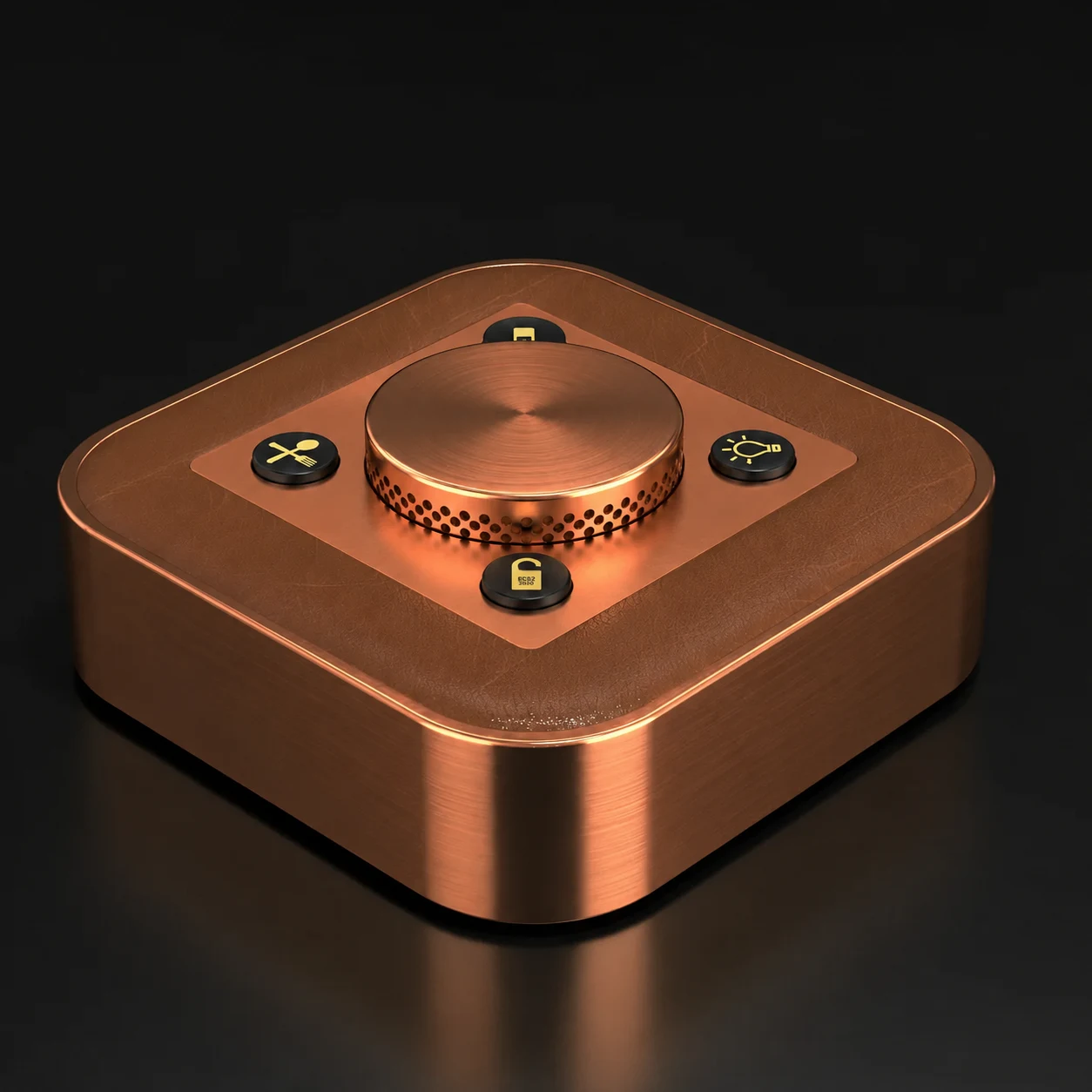
Phosphor bronze
Solid phosphor bronze has a deeper, copper-toned warmth and a natural patina that develops with time. A distinct alternative to the brighter tones of brass or gold.
05 / 05
Aluminium
Brushed anodised aluminium offers a restrained silver-grey expression. The leather inlay adds colour and texture while keeping the familiar Signature form.
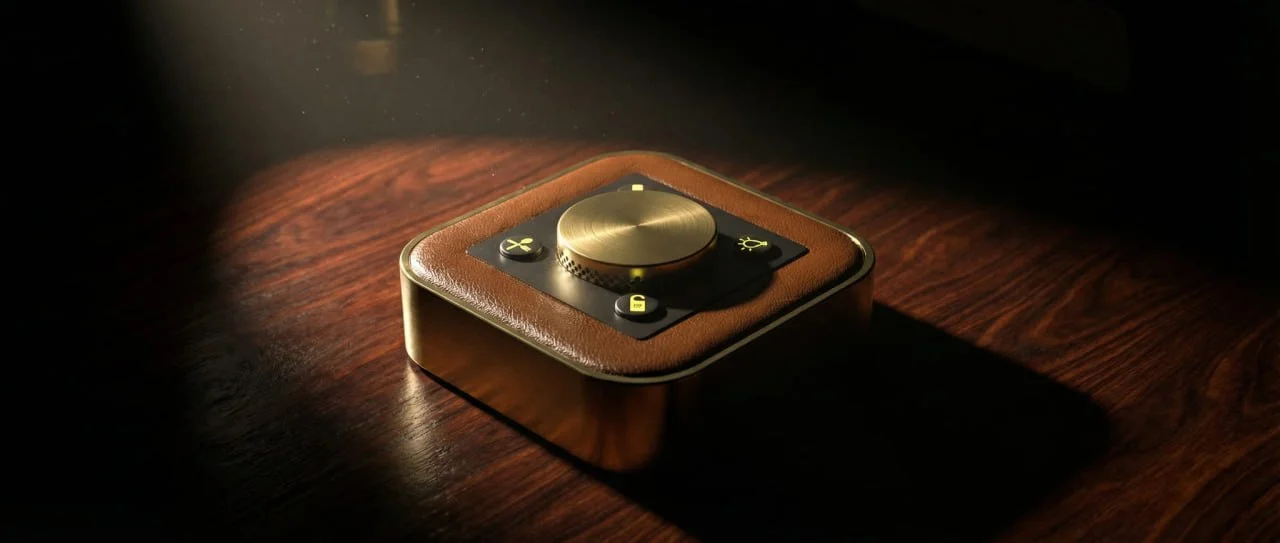
Stainless steel means solid stainless steel. Brass means solid brass. Phosphor bronze and aluminium are equally true to their material. The exterior metal parts are CNC-machined from the chosen metal, not given a thin plated layer to imitate it.
24k gold is the exception: a 3-micron gold plating over solid phosphor bronze. Black PVD is a separate coated stainless-steel finish; aluminium is anodised. These surface treatments do not change the metal beneath.
Brushed for a directional grain. Polished for reflection. Sandblasted for a soft, low-glare surface. The available finish depends on the metal; 24k gold is polished. Black PVD-coated stainless steel is also part of the range.
A Nappa leather inlay selected around the room. Start with Midnight Black, Cognac, Navy Blue, Forest Green, Burgundy or Ivory. Bring us your interior palette to discuss the right combination.
Add a name, a monogram or a yacht logo. Custom laser-engraved auxiliary-button symbols can reflect the services and room actions you choose. Keep one look throughout, or tailor each button to its cabin.
We can prepare a visual proposal of your chosen combination before the details are agreed.
Introducing a new SmartButton line
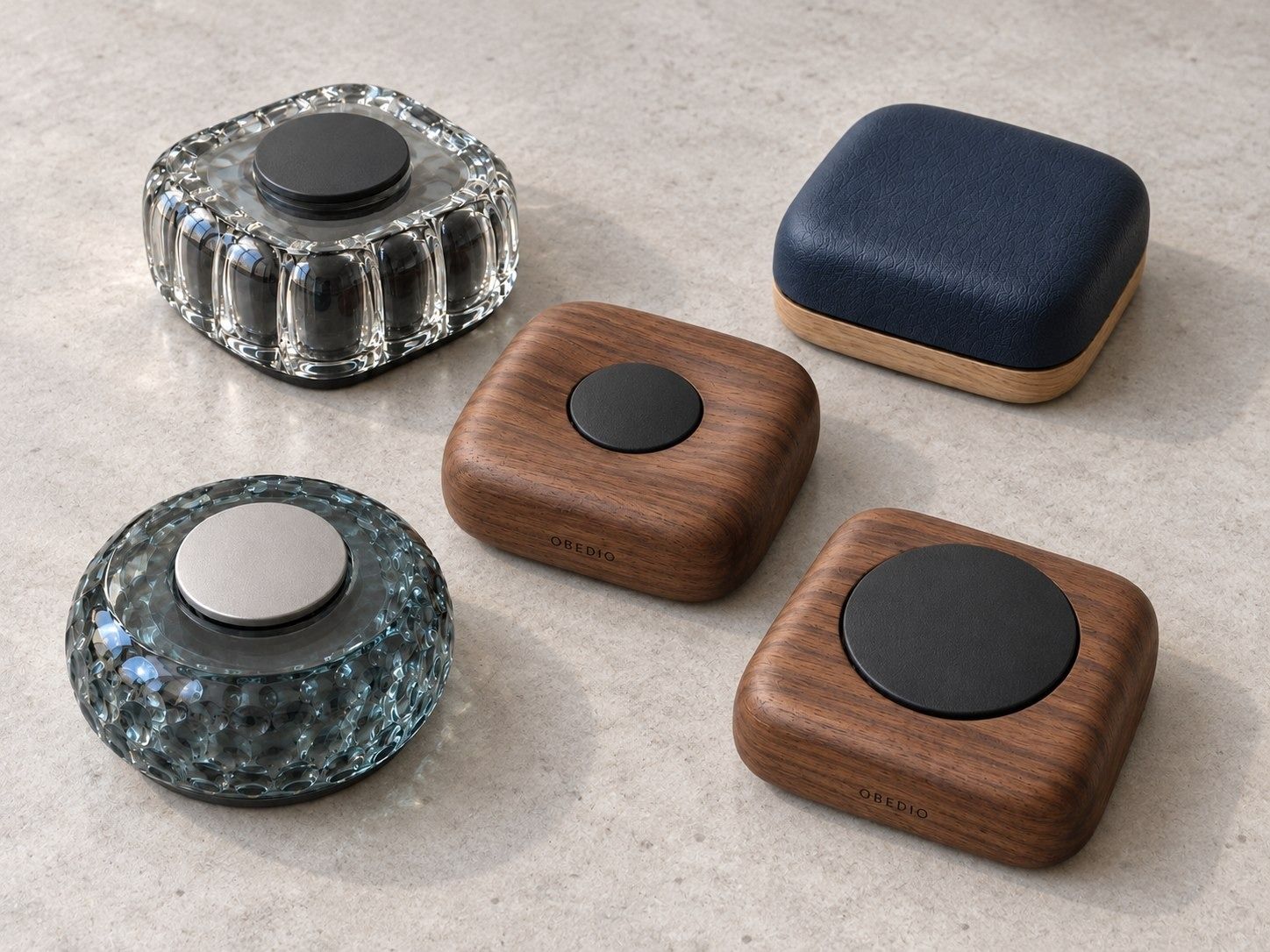
A shared technology core inside an interchangeable outer shell. Start with an idea, a material or a simple sketch. We develop the shape and details around your interior, connected to the same OBEDIO service system.
For a different form, begin with a few words, a reference or a simple drawing. Together we develop the proportions, materials and details around the shared OBEDIO technology core.
Whether you personalise the Signature or commission a new form, we agree the design, materials, feasibility, price and delivery before production.
Discuss your designDescribe what you want the object to feel like. Send an interior reference, a material sample or a simple sketch. You do not need a finished technical drawing to begin.
Personalise the established Signature, or commission a unique form from the new line. Together we refine the shape, materials and finish, then agree feasibility, price and delivery before production.
Match the button to Guest and Crew tools, connectivity and the service workflow. Good design should work as well as it looks.
A personal walkthrough of the button, Guest app and Crew tools, shaped around your yacht or property.
info@obedio.de